

Regarded by many as a staple of healthy eating, olive oil is more than just a culinary ingredient; it is a potion of wellness treasured since ancient times. Extracted from the olive tree, this ‘liquid gold’ has endured for centuries, finding its place in kitchen pantries and medicine cabinets alike. Its rich composition is known to offer a range of health benefits, from reducing heart disease risk to improving skin health. In this article, we will explore the reasons that make olive oil an excellent choice for those seeking a healthier lifestyle. Below, uncover the essence and benefits of nature’s liquid gold.
Unveiling the Essence of Olive Oil: Nature’s Liquid Gold
Olive oil, primarily produced in the Mediterranean region, has become a global culinary star, valued for its flavor and nutritional profile. Its unique qualities are attributable to the type of olives used, the extraction process, and the regional climate in which the trees grow, all of which contribute to the oil’s characteristics. Virgin olive oils are especially prized for their minimal processing, which allows them to retain more of their natural flavors and beneficial compounds. With regular use, you can enjoy the health benefits of olive oil in various forms, from fresh to cooked dishes.
But the appeal of olive oil extends well beyond its gastronomic versatility. Nutritional science has documented potential health benefits associated with its consumption. Rich in monounsaturated fats, antioxidants, and other bioactive compounds, olive oil has been studied for its role in promoting heart health, supporting weight management, and being a key component of the anti-inflammatory diet.
Among the many types of olive oil, extra-virgin olive oil is considered the highest quality. With strict standards governing its production, extra-virgin olive oil offers the best flavor and the highest nutrient content. It’s the type of oil most often associated with health benefits, being the least processed and richest in phenolic compounds, which are responsible for many of its beneficial properties.
The Role of Olive Oil in Longevity and Disease Prevention

Olive oil’s benefits include enhancing longevity and helping prevent several diseases. Populations in olive oil-rich regions, especially those adhering to the Mediterranean diet, boast some of the highest life expectancies in the world. The oil’s composition of healthy fats and antioxidants is believed to contribute to this increased lifespan by promoting cardiovascular health and reducing disease occurrence.
Regular consumption of olive oil has been linked to a lower risk of stroke, a benefit attributed to its ability to improve blood vessel health and blood flow. The anti-inflammatory and antioxidant properties of olive oil also help prevent cognitive decline and neurodegenerative diseases, such as Alzheimer’s disease. By incorporating olive oil into a daily diet, individuals may reduce their risk of developing such conditions.
Disease prevention is multifaceted, and no single food can guarantee freedom from illness. However, olive oil’s diverse range of health-promoting compounds makes it a valuable ally in addressing various health issues. Its ability to address multiple risk factors simultaneously is what underscores its reputation as a powerful dietary tool for longevity and disease prevention.
Olive Oil in Your Daily Diet: Simple Ways to Reap the Benefits
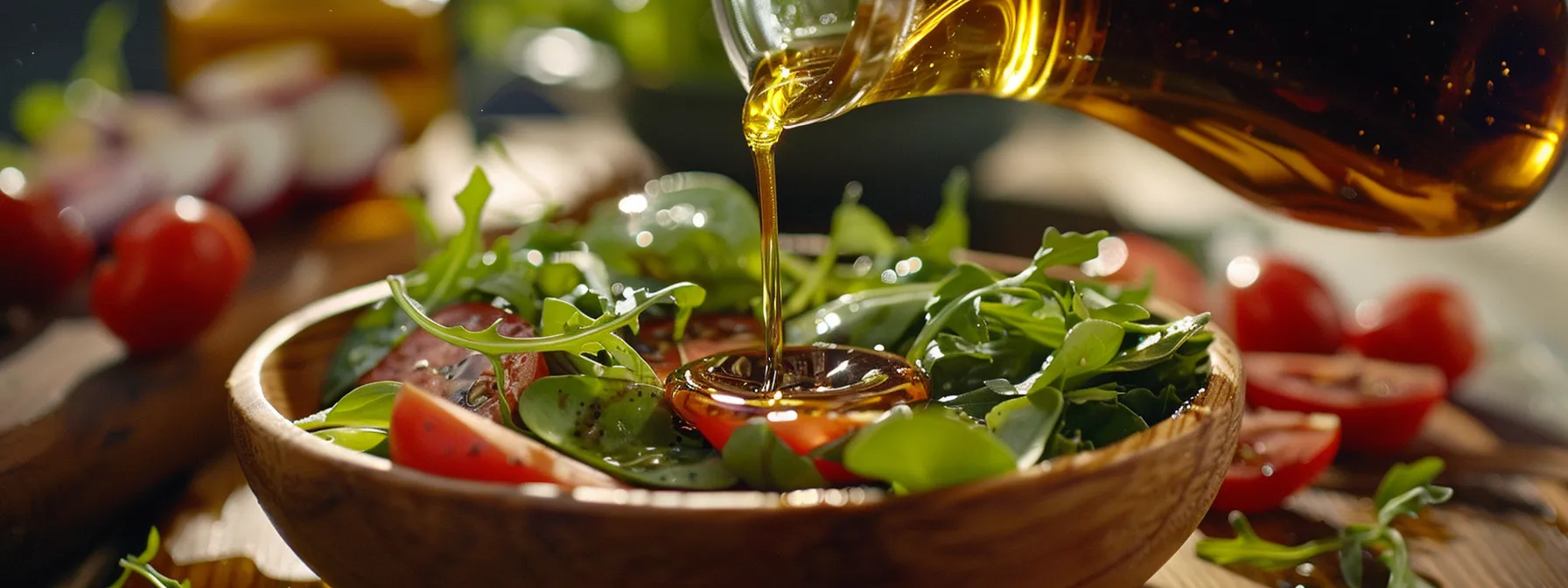
Incorporating olive oil into your daily diet is both simple and delicious. One of the easiest ways to start is by using it as a salad dressing. Drizzle cold-pressed extra virgin olive oil over fresh greens, perhaps with a splash of balsamic vinegar, to create a simple yet flavorful dish. It’s not only an enhancement to the taste but also helps increase the absorption of fat-soluble vitamins present in vegetables.
Cooking with olive oil is another straightforward approach. Whether you’re sautéing vegetables, grilling fish, or marinating meats, olive oil can serve as a heart-healthy base for various recipes. Remember to keep the heat moderate, as extreme heat can degrade some of the oil’s beneficial compounds. For uncooked dishes or to preserve the full range of flavors and health properties, consider adding olive oil after cooking.
However, quality matters. When shopping, look for labels indicating extra-virgin quality to ensure you’re getting the best flavor and health benefits. Balancing your oil intake with other healthy foods and lifestyle choices will enhance the overall benefits of olive oil in your diet.
Incorporating olive oil into one’s diet can be a cornerstone of wellness and vitality. Its versatility allows it to complement any meal, while its health benefits offer more than just culinary delight. Make your next client meeting feel elevated by understanding and embracing the various ways olive oil can improve health. We affirm our commitment to nurturing our bodies with the best nature has to offer.